
ADVICE · JUNE 10, 2026 · BY DAVID MELNYCHUK
Walk In Shower vs Tub: What Buyers Want and What Your Knees Want
Somebody at a barbecue told you that removing a tub kills resale value. Somebody else told you that nobody takes baths anymore. Both of them are half right, which is worse than being wrong, because half right sounds convincing. We remodel bathrooms across Lancaster and Chester County every month, and the walk in shower versus tub question comes up on almost every one. Here is how we actually answer it at the kitchen table.
The short version: the right answer depends on which bathroom it is, who lives in the house now, and who is likely to buy it later. The long version is below, with numbers.
The question behind the question
When homeowners ask about walk in shower vs tub, they are really asking two separate questions. First: which one will I actually enjoy using every day for the next ten years? Second: which one will hurt me when I sell? Those questions have different answers, and pretending they are the same question is how people end up with a bathroom they resent.
So we split it. Daily life first, resale second. You live in the house every day. You sell it once. If the two answers conflict, we tell you, and then you decide which one wins. Usually there is a way to satisfy both, and we get to that in the hybrid section below.
What buyers actually want, house by house
Real estate agents around Lancaster County will tell you the same thing we see: buyer expectations depend on the house type, not on national trends. Here is the honest breakdown from the projects and appraisals we see:
- Three or four bedroom family house: buyers with young kids expect at least one tub. A house marketed to families with zero tubs loses offers. This is the strongest tub argument there is.
- Two bedroom starter home or townhouse: a clean modern walk in shower usually beats a tired tub. First time buyers care about move-in ready, not bathing options.
- Ranch or one floor home: these attract buyers planning to age in place. A zero threshold or low curb shower is a selling point, not a compromise.
- Larger home with a primary suite: buyers expect a walk in shower in the primary bath. A tub in the primary is a bonus, not a requirement, and a big jetted tub that eats floor space can actually read as dated.
- Older borough homes with one bathroom: the single bath needs to serve everyone, which usually means a tub with a shower over it stays.
The one tub rule
Here is the rule we give every client, and it settles most of these conversations in five minutes: keep at least one tub in the house. Not necessarily in the bathroom you are remodeling. In the house.
If you have a hall bath with a tub and a primary bath with a cramped shower stall, convert whatever you want. The tub is covered. If the tub you want to remove is the only one under your roof, slow down. You are not just changing a fixture. You are removing a capability from the house, and it is the one capability that families with small kids, dog owners, and some future buyers will check for.
Follow the one tub rule and the resale question mostly disappears. Break it knowingly if you like, it is your house, but break it with your eyes open. We have done tub removals for clients who were certain they would never sell, and we will do more. We just make sure they hear this paragraph first.
Aging knees vs toddler baths
Now the daily life side. A tub with a shower over it asks you to step over a wall roughly 15 inches high, twice, on a wet surface, every single day. In your thirties you do not notice. In your sixties you plan around it. Falls in the bathroom are one of the most common ways older adults get seriously hurt at home, and the National Institute on Aging publishes good plain language guidance on falls and prevention that is worth ten minutes of your time if you are remodeling for the long haul.
A walk in shower with a low curb, a bench, and blocking in the walls for future grab bars is the single best thing you can build into a bathroom you plan to grow old with. We install that blocking on nearly every shower we build now, even when no bars are going in yet. It costs almost nothing during framing and saves opening the wall later.
On the other side of the scale: bathing a two year old in a walk in shower is a wrestling match you lose every night. Toddlers need tubs. Dogs strongly prefer them too, or at least their owners do. If your household includes either, the tub earns its floor space for the next several years, whatever the design magazines say.
What each option costs in Lancaster County
Numbers, because a preference without a price tag is just a mood. Around here, most contractors quote a full tub to shower conversion somewhere between $8,000 and $15,000 depending on tile and glass. Our conversions typically land between $7,000 and $14,000, a notch under the going rate, mostly because one in-house crew handles demo, plumbing rough, tile, and glass without waiting on three subcontractors to return calls.
Going the other direction, replacing a shower stall with a tub and a tiled surround usually runs $2,500 to $5,000 for the surround work plus the tub and any plumbing changes. A full custom tile shower, the kind with a bench and a niche and floor to ceiling tile, runs $5,000 to $12,000 in labor on top of materials.
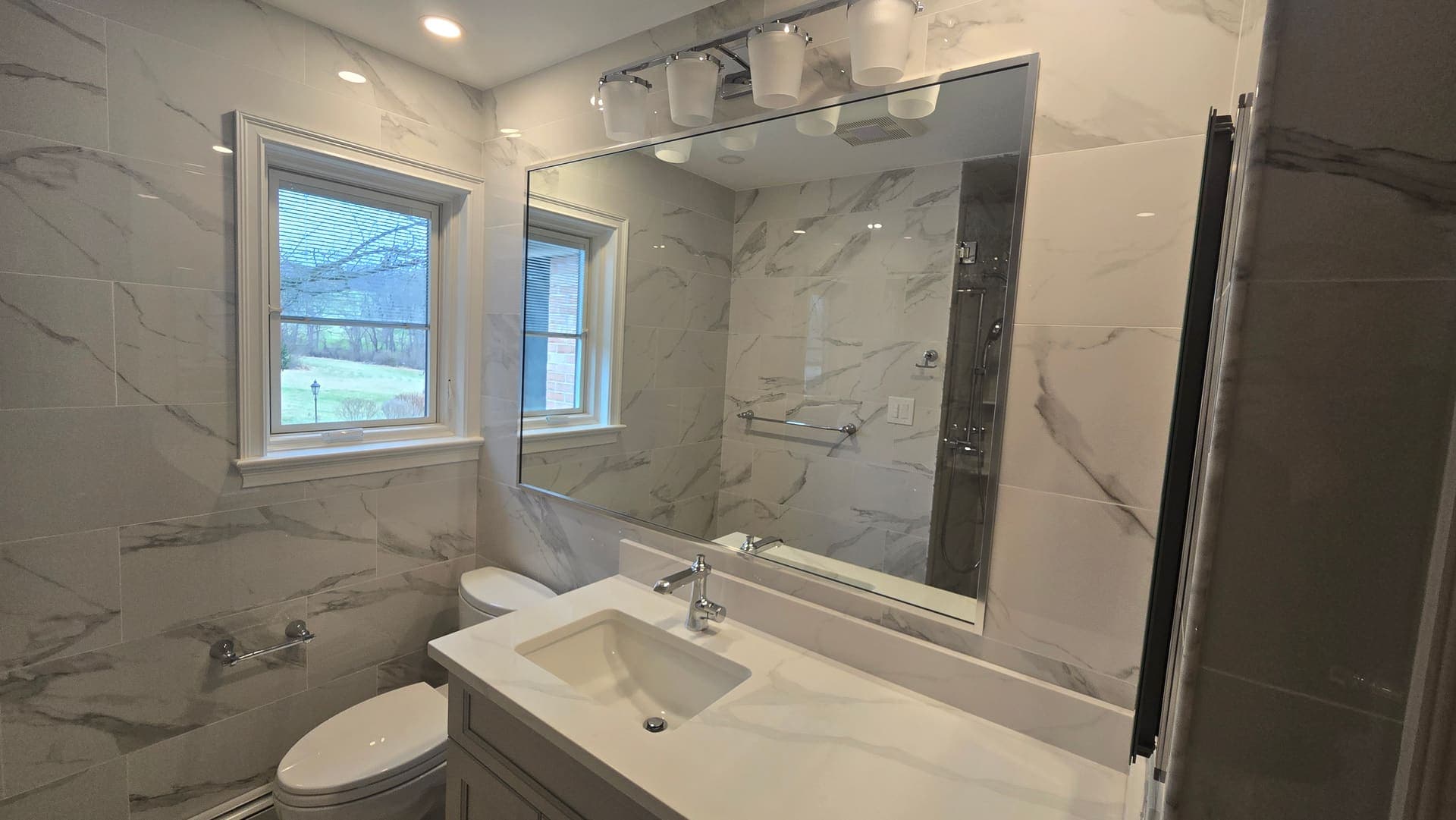
You can see what a finished conversion actually looks like in our tub to shower conversion in Lancaster case study, and the full menu of bathroom pricing lives on our bathroom remodeling page. For the wider cost picture, our post on bathroom remodel costs in Lancaster County breaks down every line.
The hybrid answers that satisfy both
Most of the time you do not have to pick a side. The layouts below solve both daily life and resale, and they are what we build most often:
- Walk in shower in the primary, tub stays in the hall bath. The classic. Everyone gets what they want and the one tub rule is satisfied.
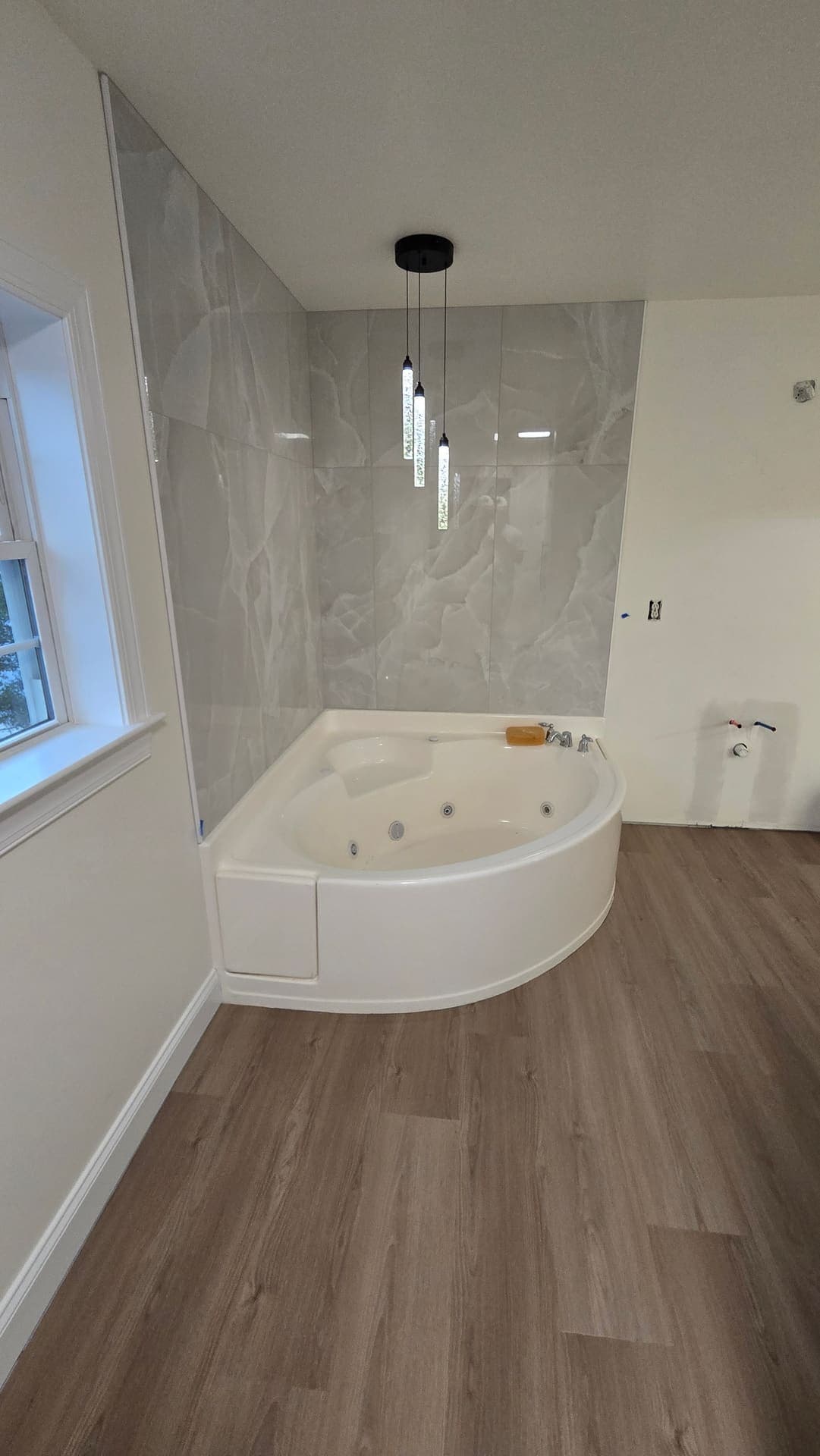
- Walk in shower plus a freestanding soaking tub, if the primary bath has the square footage. This is the layout in our spa bathroom with jetted tub in Elizabethtown, where the client wanted real soaks, not a checkbox.
- Low curb shower with a bench and handheld, which bathes kids, washes dogs, and works for aging knees. The most underrated compromise in the business.
- Deep soaking tub with a glass panel and shower over it, for one bathroom homes where the tub must stay but the vinyl curtain must go.
Details that decide it, either way
Both options live or die on the boring layers. A shower conversion needs a complete waterproofing system behind the tile, a real membrane, not just cement board and optimism. It needs a properly sloped pan, a drain located before tile day, and a bath fan that actually moves steam, because showers make far more of it than tubs and an undersized fan grows mildew on brand new grout. The fan upgrade is about a $90 difference at rough-in and the single cheapest insurance in the room.
Tubs carry their own quiet requirements. A cast iron tub, or an acrylic one filled with water and a person, can put 600 to 700 pounds on the floor framing, so we check joists before we promise anything freestanding. And every tub to wall joint deserves a proper flange and flexible sealant detail, because that seam is where most tub surrounds fail first. None of this shows up in the pretty photos, and all of it decides whether the bathroom is still tight in 15 years.
One honest note from the field: most jetted tubs we remove have been used twice and dusted for years. If you are a genuine soaker, buy the soaking tub and enjoy every minute. If you are not, admit it now, it is much cheaper than admitting it at the next remodel.
When we tell people not to convert
We make money doing conversions, so weigh this accordingly, but here is when we advise against the walk in shower: when it is the only tub in a family sized house you plan to sell within five years. The conversion costs you $7,000 to $14,000 now and can cost you offers later. Wait, sell, and let the next owner remodel to their taste.
We also talk people out of ripping out a tub that is fine when the real complaint is the tile or the glass. A surround retile and a new glass panel can make a tub feel new for a third of a conversion price. And if your budget is $4,000, do not stretch to a rushed conversion. A refresh now and a proper conversion in three years beats a cheap shower that leaks in two.
Questions we hear a lot
Does removing a bathtub hurt resale value?
Only if it is the last tub in the house, and mostly in family sized homes. Keep one tub somewhere under the roof and convert the rest freely. In primary bathrooms, a walk in shower is now the expectation, not the exception.
Is a walk in shower cheaper than a tub?
Not usually. A tiled walk in shower involves waterproofing, tile labor, and glass, and typically costs more than dropping in a standard tub with a surround. You choose a walk in shower for how it lives, not to save money.
How long does a tub to shower conversion take?
Our typical conversion runs about two weeks from demo to glass install. The schedule killer is glass lead time, since custom panels are measured after tile is done, so we order the moment tile is set.